
Gargoyle Gecko Care Guide (Rhacodactylus Auriculatus
Gargoyle Gecko Care Guide
(Rhacodactylus auriculatus)
Gargoyle Gecko Care Guide
Last Updated: August 2026
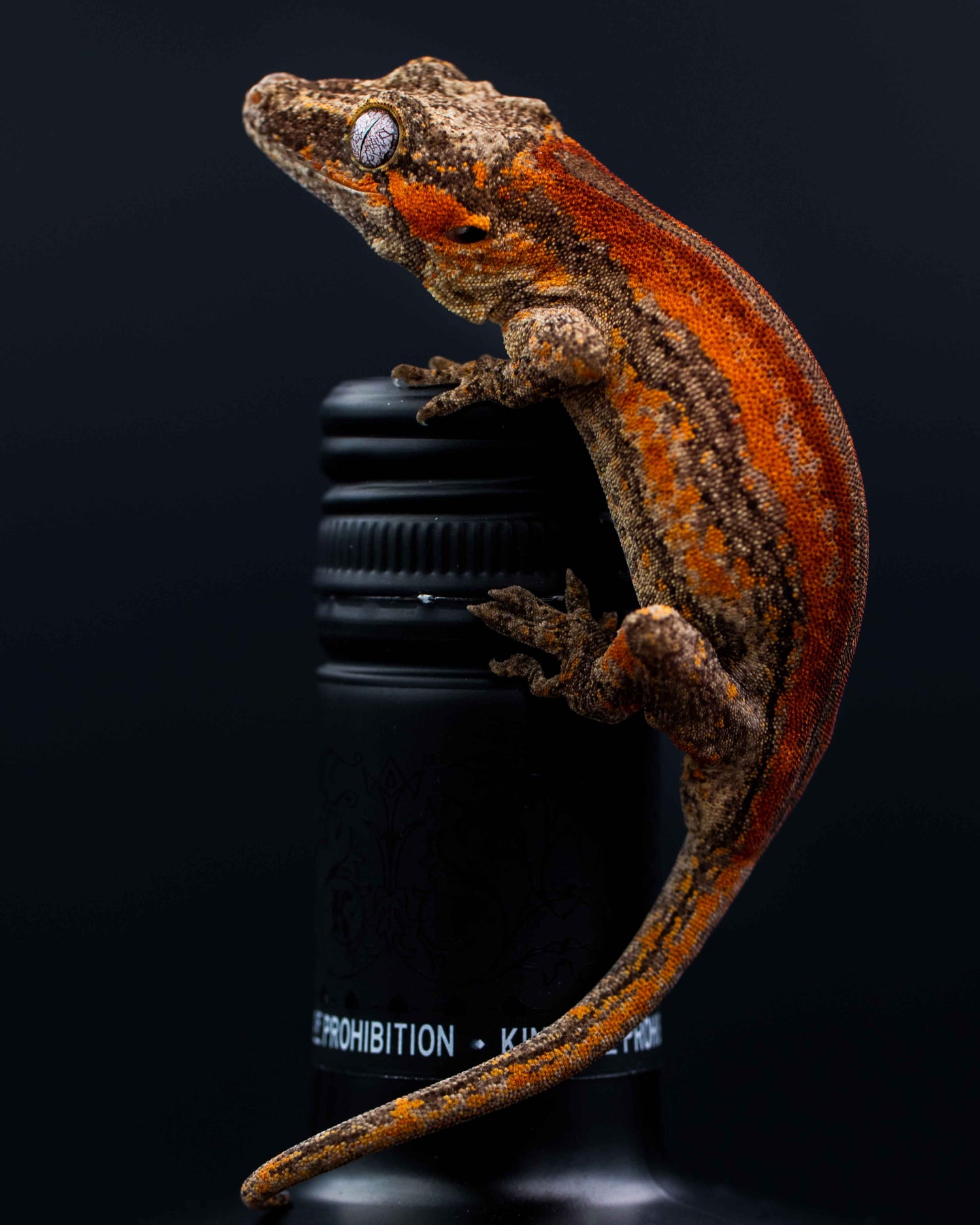
Gargoyle Geckos (Rhacodactylus auriculatus) are a fascinating species of New Caledonian gecko known for their robust build, incredible colors and patterns, and distinctive horn-like structures above the head that give them their name.
Native to New Caledonia, Gargoyle Geckos are primarily arboreal and spend much of their time climbing, resting on branches, and navigating through vegetation. They also possess a prehensile tail that helps them grip branches as they move throughout their environment.
Gargoyle Geckos can be an excellent choice for both new and experienced reptile keepers who are prepared to provide the proper environment and long-term care. Their commercially available complete diets, manageable adult size, and fascinating behavior have helped make them increasingly popular within the reptile hobby.
Like all reptiles, Gargoyle Geckos have specific requirements for housing, temperature, humidity, nutrition, enrichment, and veterinary care. They are also a long-term commitment and may live 15–20 years or longer with proper care.
Let’s break down what you need to help your Gargoyle Gecko thrive.
HOUSING
Enclosure Size
Gargoyle Geckos are arboreal animals that spend much of their time climbing, resting on branches, and moving through vegetation. Their enclosure should provide generous vertical space along with enough width and depth for natural movement.
Young geckos can be maintained in appropriately sized grow-out enclosures that make it easier to monitor feeding, hydration, waste, growth, and overall health.
As your gecko grows, the enclosure should grow with it.
Adult Gargoyle Geckos should be provided with a spacious, vertically oriented enclosure that allows them to comfortably climb, jump, forage, hide, thermoregulate, and explore.
Rather than focusing only on one specific set of dimensions, consider the total usable space within the enclosure. A well-designed habitat should include multiple levels, sturdy horizontal and diagonal climbing surfaces, elevated resting areas, foliage, hiding opportunities, and open pathways for movement.
Because Gargoyle Geckos are relatively heavy-bodied, sturdy horizontal and diagonal surfaces are particularly important.
Larger and more thoughtfully furnished enclosures can provide additional opportunities for exercise, enrichment, and natural behavior.
Housing Compatibility
We recommend housing Gargoyle Geckos individually.
Gargoyle Geckos can be territorial, and conflicts between animals can result in stress, bites, injuries, tail loss, and competition for resources.
Individual housing also makes it easier to monitor each gecko’s weight, feeding, health, and behavior.
Adult males should never be housed together.
Male and female Gargoyle Geckos should only be paired intentionally for responsible breeding and should be closely monitored. Separate housing should always be available.
Enclosure Setup & Enrichment
A Gargoyle Gecko enclosure should provide a complex environment with plenty of opportunities for climbing, hiding, resting, and exploring.
Provide a variety of:
- Horizontal and diagonal branches
- Cork bark and cork tubes
- Vines
- Ledges
- Live or artificial plants
- Elevated hiding areas
- Shaded areas
- Multiple climbing surfaces
Gargoyle Geckos are heavier-bodied than some other arboreal gecko species, so providing sturdy horizontal and diagonal branches and resting surfaces throughout the enclosure is especially beneficial.
Foliage and cover should be distributed throughout the habitat while still leaving enough room for the gecko to move between different areas.
A well-designed enclosure gives the gecko choices and encourages natural climbing, resting, hiding, hunting, and exploratory behaviors.
Naturalistic and bioactive enclosures can provide additional opportunities for exploration and enrichment when properly designed and maintained.
Substrate
Paper towel is an excellent option for quarantine, hatchlings, newly acquired animals, or whenever closely monitoring waste and health is important.
For established animals, naturalistic substrates designed for tropical reptiles can also be used.
Bioactive enclosures may incorporate appropriate soil mixtures, coconut fiber, bark, leaf litter, live plants, and cleanup crews.
Avoid substrates containing fertilizers, pesticides, aromatic wood products, or other materials that may be harmful to reptiles.
TEMPERATURE, LIGHTING & HUMIDITY
Temperature
Gargoyle Geckos should have access to a temperature gradient that allows them to choose between warmer and cooler areas of their enclosure.
A good general range is:
Daytime Ambient: Approximately 72–78°F
Warmer Upper Area: Approximately 78–82°F
Cooler Areas: Approximately 70–74°F
Night: Temperatures can safely fall into the upper 60s°F for healthy animals.
A slightly warmer upper area allows the gecko to regulate its own body temperature while cooler areas provide an opportunity to retreat.
Avoid prolonged temperatures above approximately 85°F, particularly when the gecko cannot escape to a cooler area.
Depending on your home’s temperature, supplemental heating may not always be necessary. If additional heat is used, it should be controlled by an appropriate thermostat while maintaining cooler areas within the enclosure.
Always monitor temperatures with accurate digital thermometers rather than relying on guesswork.
Lighting
Although Gargoyle Geckos are primarily active during the evening and nighttime hours, they should still experience a consistent day/night cycle.
Approximately 12 hours of light and 12 hours of darkness works well for most setups.
Quality LED lighting can provide visible daylight while also supporting live plant growth in naturalistic and bioactive enclosures.
Avoid red, blue, or other colored nighttime bulbs. Gargoyle Geckos should be allowed to experience darkness at night.
UVB
Historically, Gargoyle Geckos have commonly been maintained without supplemental UVB when receiving a nutritionally complete diet containing appropriate vitamin D3.
Modern reptile husbandry increasingly recognizes that appropriately provided UVB may offer benefits even to crepuscular and nocturnal species.
For this reason, we recommend providing appropriate low-level UVB when the enclosure and setup allow it.
Gargoyle Geckos are considered a low-UV species. UVB strength and placement should be selected based on the fixture, enclosure height, screen obstruction, distance from the animal, and manufacturer’s recommendations.
Always provide plenty of foliage and shaded areas so the gecko can choose whether to be exposed to UVB.
UVB should not be placed behind glass or acrylic, as these materials significantly block UVB radiation.
Humidity
Gargoyle Geckos benefit from a natural humidity cycle rather than constantly high humidity.
A good general target is:
After Evening Misting: Approximately 70–80%
During the Drying Period: Approximately 50–60%
Allow the enclosure to partially dry between misting cycles.
Constantly saturated conditions and stagnant air should be avoided because they can encourage mold and bacterial growth.
Misting frequency will vary depending on your enclosure, substrate, ventilation, plants, room humidity, and local climate. Some enclosures may require one substantial evening misting, while others may require additional light misting.
Use a reliable digital hygrometer to monitor conditions rather than relying solely on a fixed misting schedule.
Proper ventilation and fresh airflow are also important components of maintaining a healthy tropical environment.
FEEDING & WATER
Complete Gecko Diet
A high-quality commercially prepared Complete Gecko Diet (CGD) should make up the foundation of your Gargoyle Gecko’s diet.
Brands such as Pangea and Repashy formulate complete diets suitable for fruit-eating New Caledonian geckos.
Always prepare the diet according to the manufacturer’s instructions.
Young, growing animals can generally be offered fresh CGD daily or very frequently.
Healthy adults can typically be offered CGD approximately every other day or several times per week depending on the individual animal’s age, body condition, reproductive status, activity level, and appetite.
Remove uneaten prepared food before it spoils.
Fruit, baby food, honey, or homemade fruit mixtures should not be relied upon as a primary diet because they do not provide the carefully balanced nutrition of a properly formulated complete gecko diet.
Insects
Gargoyle Geckos are omnivorous and naturally consume animal prey.
Many Gargoyle Geckos have a strong feeding response toward live insects, making insects a valuable source of nutrition as well as hunting enrichment and exercise.
Good options include:
- Crickets
- Dubia roaches
- Other appropriately sized and nutritionally suitable feeder insects
Feeder insects should be properly gut-loaded before feeding and appropriately supplemented with calcium.
As a general rule, feeder insects should be no larger than the space between the gecko’s eyes.
For many Gargoyle Geckos, insects can be offered approximately once or twice per week, although frequency may vary depending on age, growth, body condition, breeding status, and the complete diet being used.
High-fat feeders such as waxworms should be considered occasional treats rather than staple feeders.
Water
A small dish of clean, fresh water should always be available.
Gargoyle Geckos will also frequently lick water droplets from leaves, branches, and enclosure surfaces following misting.
Clean the water dish and replace the water regularly.
HANDLING & INTERACTION
Gargoyle Geckos can generally become tolerant of careful handling, although individual temperament varies considerably.
Some animals may be calm and deliberate while others may be more active or defensive.
Give New Geckos Time to Settle
After bringing a new Gargoyle Gecko home, allow it time to acclimate to its new environment before beginning regular handling.
Moving into a new environment can be stressful. Give your gecko an opportunity to establish normal feeding and behavior before introducing frequent interaction.
Approach Slowly
Use slow and deliberate movements when interacting with your gecko.
Whenever possible, allow the gecko to step onto your hand rather than grabbing it from above.
Support the Gecko
Support the gecko’s body and allow it to walk naturally from hand to hand.
Although Gargoyle Geckos are generally sturdy animals, they can jump unexpectedly. Handling should take place close to the ground or above a soft, secure surface.
Never Grab the Tail
Never pick up or restrain a Gargoyle Gecko by its tail.
Gargoyle Geckos can voluntarily drop their tails as a defense mechanism.
Unlike Crested Geckos, however, Gargoyle Geckos are capable of regenerating a dropped tail.
Tail regeneration takes time, and the regenerated tail may differ somewhat in appearance from the original.
The ability to regenerate the tail does not mean tail loss should be considered harmless or encouraged. Proper handling should always minimize unnecessary stress and the risk of tail loss.
Keep Handling Sessions Short
Begin with short handling sessions and gradually increase interaction as your gecko becomes comfortable.
If your gecko repeatedly attempts to escape, vocalizes, bites, breathes heavily, or otherwise appears stressed, return it to its enclosure and try again another time.
Handling should be a positive and controlled experience rather than something the animal is forced to tolerate.
Keep Other Pets Away
Never allow your Gargoyle Gecko to interact directly with cats, dogs, or other household pets.
Even seemingly calm interactions can result in serious injury.
ROUTINE HEALTH & MONITORING
Getting familiar with what is normal for your individual Gargoyle Gecko makes it much easier to recognize when something changes.
Regularly monitor:
- Body weight and body condition
- Appetite
- Feces and urates
- Activity level
- Eyes and skin
- Toes and feet
- Jaw and bone structure
- Tail condition
- Shedding
- Hydration
- Breathing
- Changes in behavior
A small digital gram scale makes tracking weight easy and can help identify changes before they become visually obvious.
Shedding
Healthy Gargoyle Geckos periodically shed their skin and frequently consume the shed afterward.
Proper hydration, humidity cycles, and appropriate enclosure surfaces help support normal shedding.
Pay particular attention to the toes, feet, and tail area for retained shed.
When to Contact a Veterinarian
Contact a veterinarian experienced with reptiles if your gecko develops concerning symptoms such as:
- Significant or unexplained weight loss
- Persistent refusal to eat accompanied by other symptoms or weight loss
- Swelling
- Abnormal jaw or limb structure
- Persistent retained shed
- Difficulty breathing
- Discharge from the eyes, nose, or mouth
- Significant lethargy or weakness
- Persistent abnormal feces
- Injury
- Neurological symptoms
- Any sudden or significant change in normal behavior
Routine wellness examinations with a qualified reptile veterinarian can also be an important part of preventative care.
FINAL THOUGHTS
Gargoyle Geckos are incredible animals with unique personalities, striking colors and patterns, and fascinating natural behaviors.
Responsible ownership begins with understanding and providing for their needs.
Adequate space, sturdy climbing structures, foliage, appropriate lighting, temperature and humidity cycles, balanced nutrition, fresh water, enrichment, and regular health monitoring all contribute to an environment where your Gargoyle Gecko can display more of its natural behaviors and thrive.
Reptile husbandry continues to evolve as we learn more about animal welfare, nutrition, lighting, and natural behavior. We encourage every keeper to continue learning and to adjust their husbandry as better information becomes available.
At Guardians of the Geckos, our goal isn’t simply to produce incredible geckos. We want every animal we produce to go into a home prepared to provide excellent lifelong care.
Passion. Innovation. Genetics.
This care guide provides general husbandry information and is not a substitute for veterinary advice. Individual animals and circumstances may require different care. If you have concerns about the health of your Gargoyle Gecko, consult a qualified reptile veterinarian.